Tag Archives: Vegetarian

Rhubarb Clafoutis

Welcome spring! Since today is officially the first day of spring, I thought I would post a recipe with flavors that take me back to the springs of my childhood. You see, one of my great grandparents was Scotch and another was an immigrant from Germany. I therefore grew up eating rhubarb from the moment it was ready to harvest each spring.  I remember walking through the damp green grass in my rubber boots while holding the hand of my grandmother on the way to the big rhubarb plants on the far side of her yard.  My grandmother would then reach down with a big kitchen knife and slice off a few stalks for me to carry back to the kitchen. I would then don an apron and stand with her in the kitchen while she turned our little harvest into rhubarb sauce or rhubarb custard pie.

After living overseas with other people from around the world, I realized that some people have never heard of rhubarb, let alone ever eaten it.  While living in Belarus, I noticed it grew wild along the road, but few people knew how to prepare it. It is understandable that many people from warm climates have never seen it in the market because rhubarb prefers cool climates — like Scotland, Germany, and the Pacific Northwest where I grew up.

Technically, rhubarb is a vegetable, but it is most often prepared in a way that would be traditionally used for fruit.  That is simply because it is very tart and requires sugar to be palatable.  In my family, the most popular dessert with rhubarb was rhubarb custard pie, but sometimes in Italy, I’m not fortunate to find enough rhubarb to make a pie.  This was the case recently, when I only had two cups instead of the three necessary for my grandmother’s recipe for rhubarb custard pie. So, what did I do?  I decided to make a clafoutis instead.  No, I had never tried it with rhubarb, but why not?  The main ingredients for clafoutis are very similar to rhubarb custard pie — eggs, sugar, cream and or milk, and fruit. For this preparation, rhubarb takes the place of traditional cherries in this French country dessert. Strictly speaking, if it is not made with cherries, a clafoutis becomes a flaugnarde when you substitute another fruit, but I’ll stick with the name clafoutis for my recipe just because it is more recognizable in English-speaking circles.

Well, I’m happy to say that it turned out well.  Plus, I think many of you will like this recipe since it is gluten free (cornstarch is the thickener), and it takes much less time than a pie since there is no crust.  If a pie scares you, this is a good place to start, and friends and family can’t help but be impressed when you make them a dessert with a french name! —

“What did you make for dessert?”

“Oh, I just made a rhubarb clafoutis.”

It’s as easy as this:

Preheat your oven to 350°F (about 180°C). Butter a 9-inch pie pan and set aside.

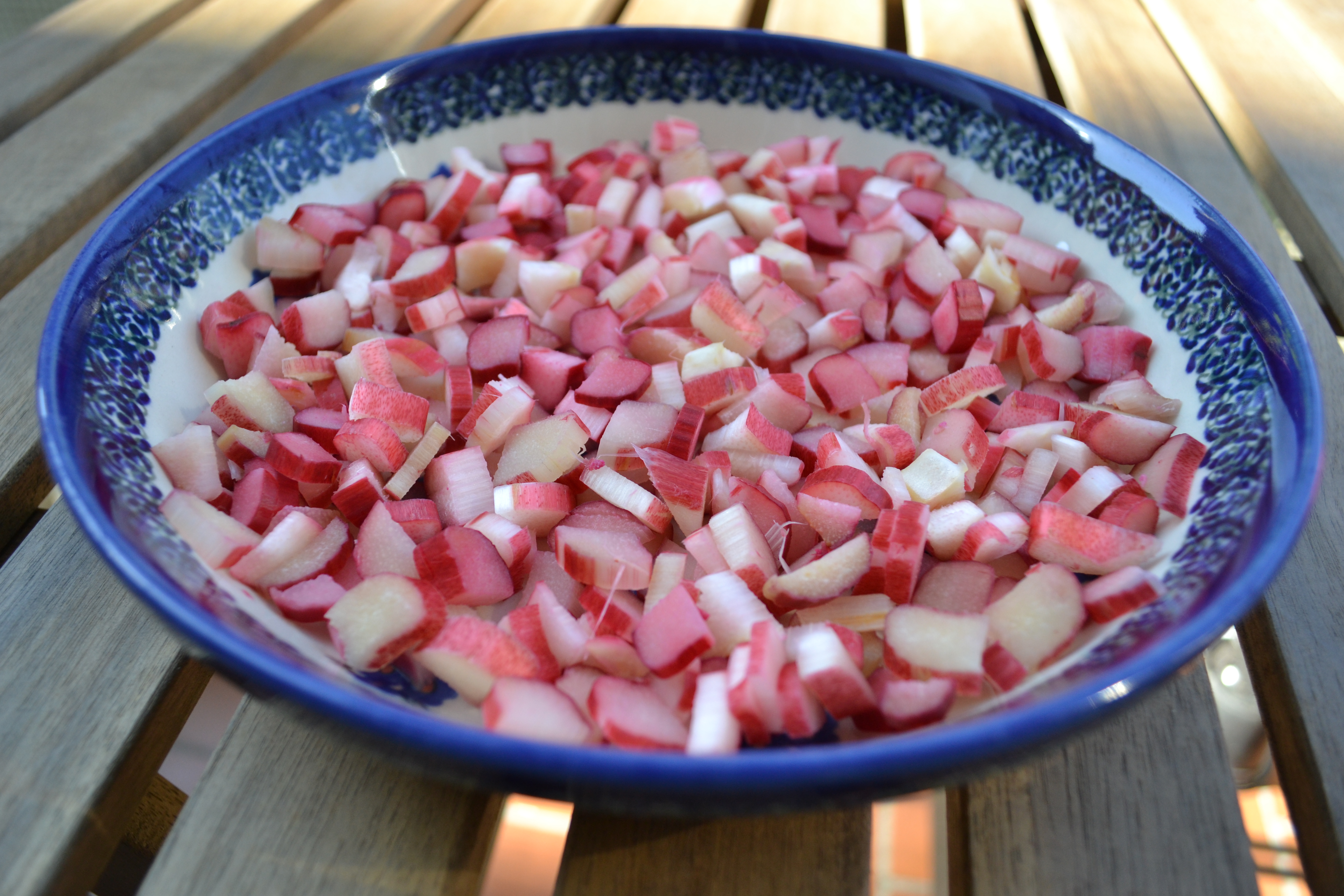
Wash the rhubarb to be sure it is clean. Pat it dry with a paper towel to make sure there is no residual moisture on the stalks. Now chop off the ends, making sure there is absolutely no part of the leaves left. (The leaves are poisonous.) Slice each stalk in half horizontally, just so it is easier to manage.  Now slice it again once or twice vertically before finishing the chopping process. In the end, you want to have pieces that are about 1/4 inch thick. Chop enough so you have about two cups.  Place the chopped rhubarb in the bottom of the prepared pie dish.
DSC_1532

In a medium bowl, whisk together salt, cornstarch, and sugar.  You then whisk in some eggs, egg yolks, cream, and vanilla. Pour this mixture over the rhubarb waiting in your prepared pie plate.

DSC_1580

Place it in the oven for about 30-40 minutes.  The clafoutis is done when the center no longer seems “liquidy”. It should seem firm, but may move slightly like thick jello. It continues to cook just a bit once you remove it from the oven, so keep an eye on it so it doesn’t overcook.

DSCN7345

Set the pie plate on a rack to cool. Serve slightly warm dusted with powdered sugar.  If you feel really decadent, you can put a little crème fraîche, cream, or vanilla ice cream on the plate.

Rhubarb Clafoutis

  • Servings: Yields 8 servings
  • Difficulty: Easy
  • Print

rhubarb cover

Ingredients:

  • 2 cups chopped rhubarb
  • 1/8 tsp. salt
  • 2 tablespoons plus 1 teaspoon cornstarch
  • 1/3 cup sugar (2.3 oz.)
  • 1 1/4 cups (10 oz.) heavy cream
  • 2 eggs, room temperature
  • 2 egg yolks, room temperature
  • 2 teaspoons vanilla extract
  • powdered sugar for dusting

Directions: 

Preheat oven to 350°F (about 180°C). Butter a 9-inch pie dish and set aside.

Chop the rhubarb and place in the prepared pie pan.

Whisk together the salt, cornstarch, and sugar in a medium bowl. Whisk in the heavy cream, eggs, egg yolks, and vanilla.  Continue to stir until thoroughly combined and smooth.  Pour this mixture over the rhubarb in the prepared pie dish.

Place on the middle rack of the oven and bake for 30-40 minutes.  The custard should be mostly firm and a toothpick should come out clean.  Keep in mind that the custard will continue to bake and set a bit even after it is removed from the oven, so be careful not to over-bake it.

Allow the clafoutis to cool for 10-15 minutes before serving.  Dust with powdered sugar just before plating the slices.  Serve with a little crème fraîche or vanilla ice cream for an extra special treat!

Welcome spring!

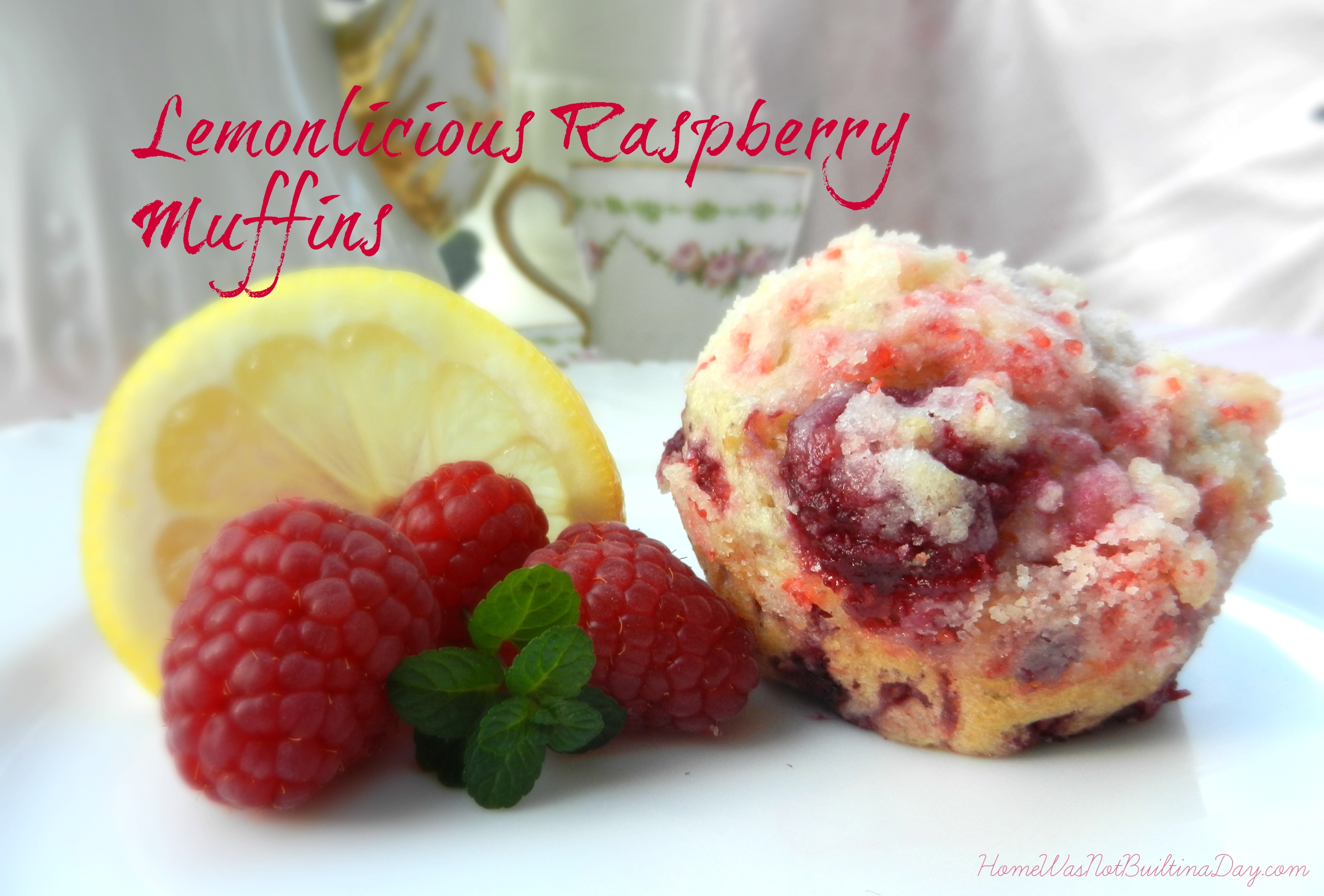
Lemonlicious Raspberry Muffins

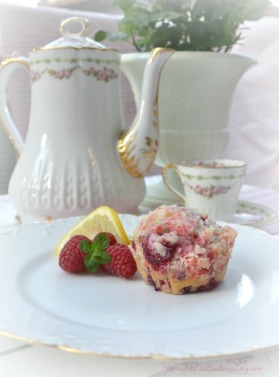
Since Valentine’s Day falls on Saturday this year, why not make the someone or “someones” you love a special breakfast featuring these Lemonlicious Raspberry Muffins?  Lemons abound in Italy during this season, so I decided to forgo the traditional chocolate recipes and opt for a recipe with sunny lemons and some red raspberries for appropriate color. I think you’ll find the flavors of lemon and raspberry pair quite well in these muffins and make a great complement to a nice cup of tea. They are wonderfully tart, and the lemon brightens the flavor of the raspberries. Those who don’t like things overly sweet will love this recipe!

TeapotIt’s as easy as this:

Preheat your oven to 375°F (190°C).

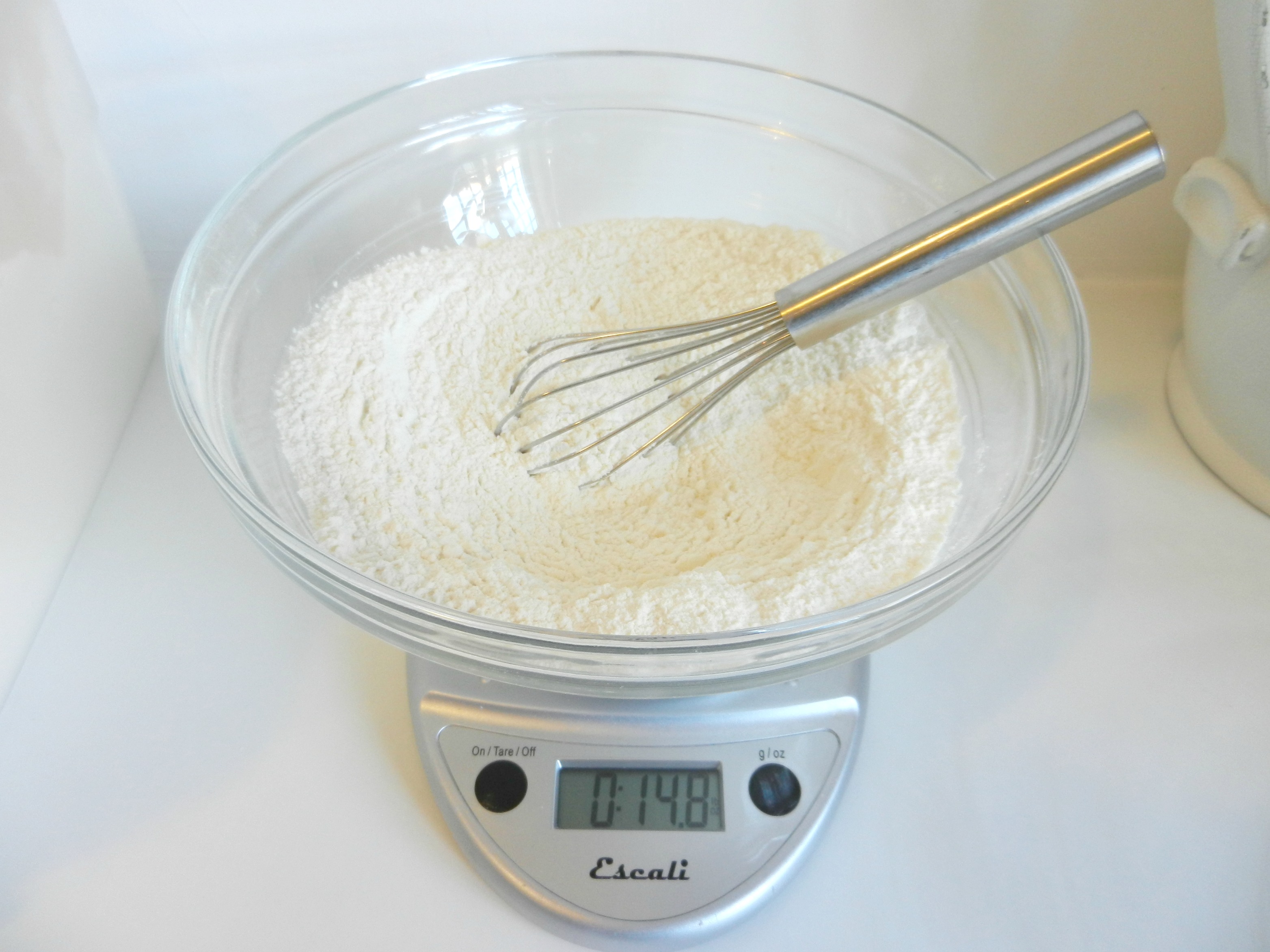
In a bowl, combine the dry ingredients (flour, baking powder, and salt).

muffin flour

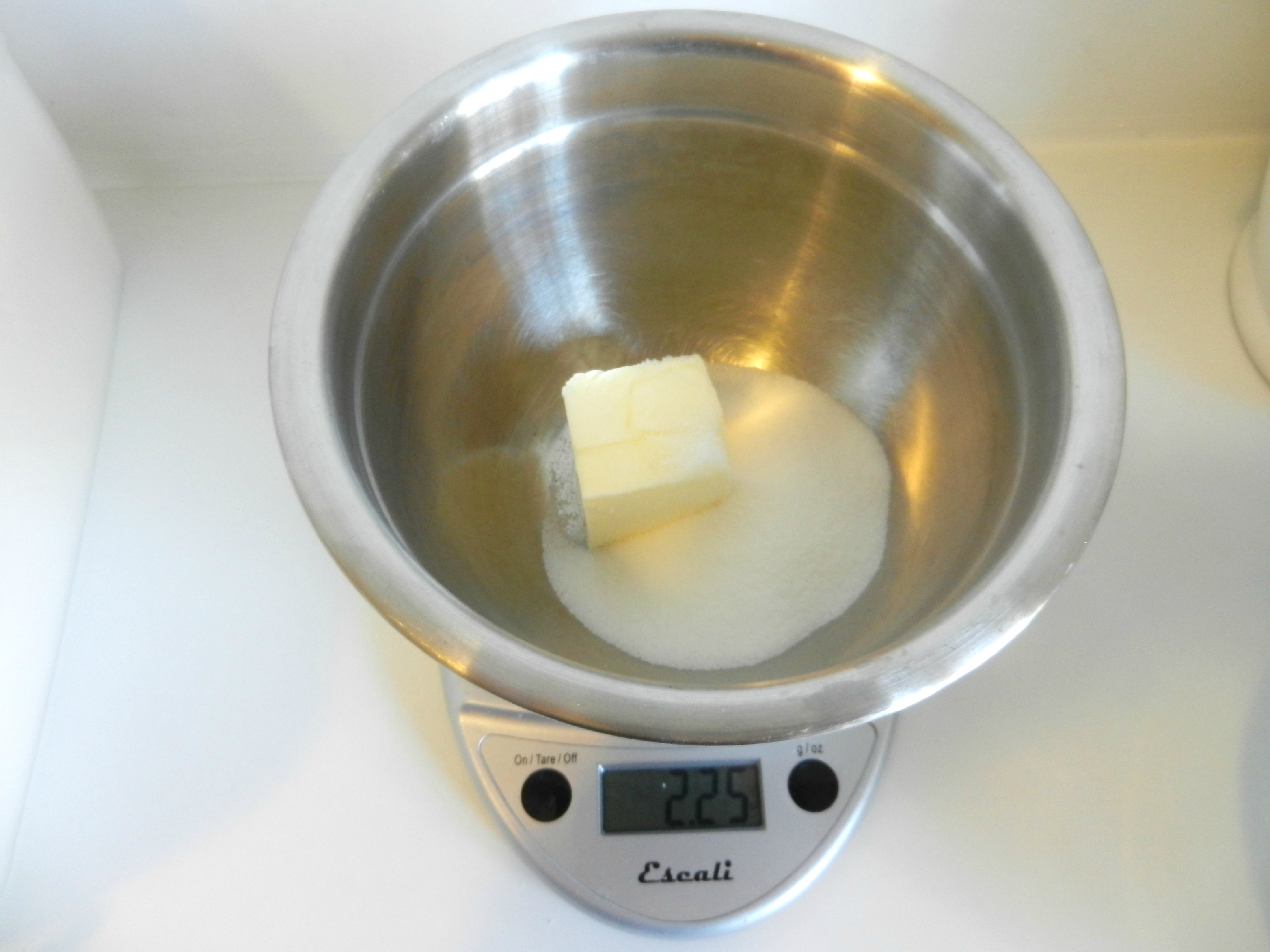
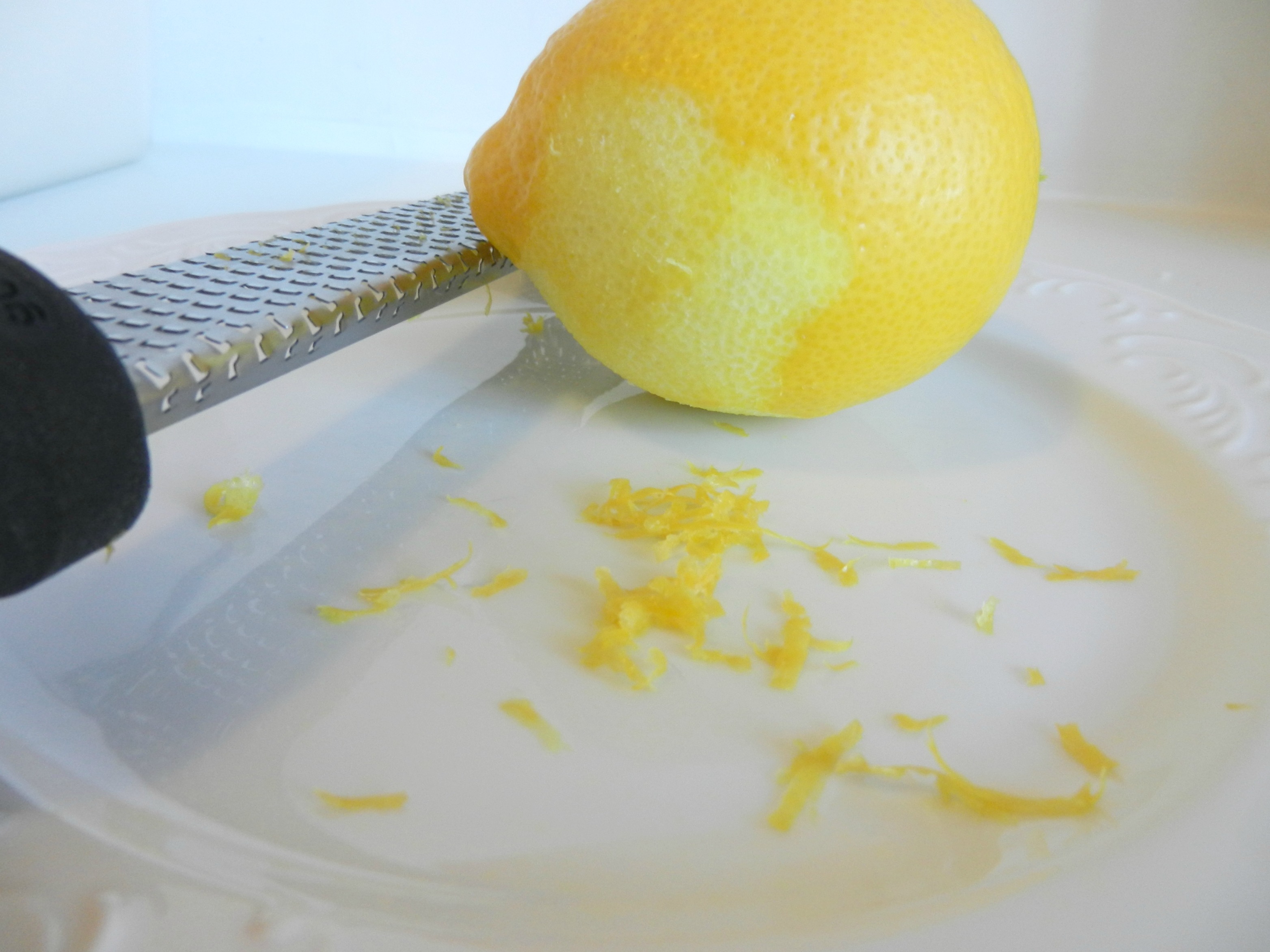
In a separate bowl, cream together the sugar and butter until it is nice and fluffy. Add the egg and the zest of one lemon. (I prefer the natural flavor of zest to extract.)

sugar mixtureLemon zest

You will find the texture to be a bit curdled-looking.

egg mixture

Measure out a cup and a half of fresh or frozen raspberries.  Put them in a bag with about a tablespoon or two of flour. Close the top and shake them around a bit. This process will keep the color from bleeding too much into the batter. Set the raspberries aside or put the bag in the freezer until you are ready to use them.

DSCN7110DSC_1021

Make a well in the dry ingredients. In the center, pour in the milk and the mixture of butter, sugar, egg, and zest. Stir a bit with a spoon or spatula, but DO NOT COMPLETELY COMBINE, or it will be to hard to stir in the raspberries. Fold in the raspberries and complete the mixing process, being sure not to overmix.

DSC_1030

Divide the dough into well-prepared muffin tins using a cookie or ice cream scoop. I used a non-stick spray that has flour in it and is made specifically for baking. Preparing the pan well is important because the topping can otherwise make these muffins difficult to remove from the pan.

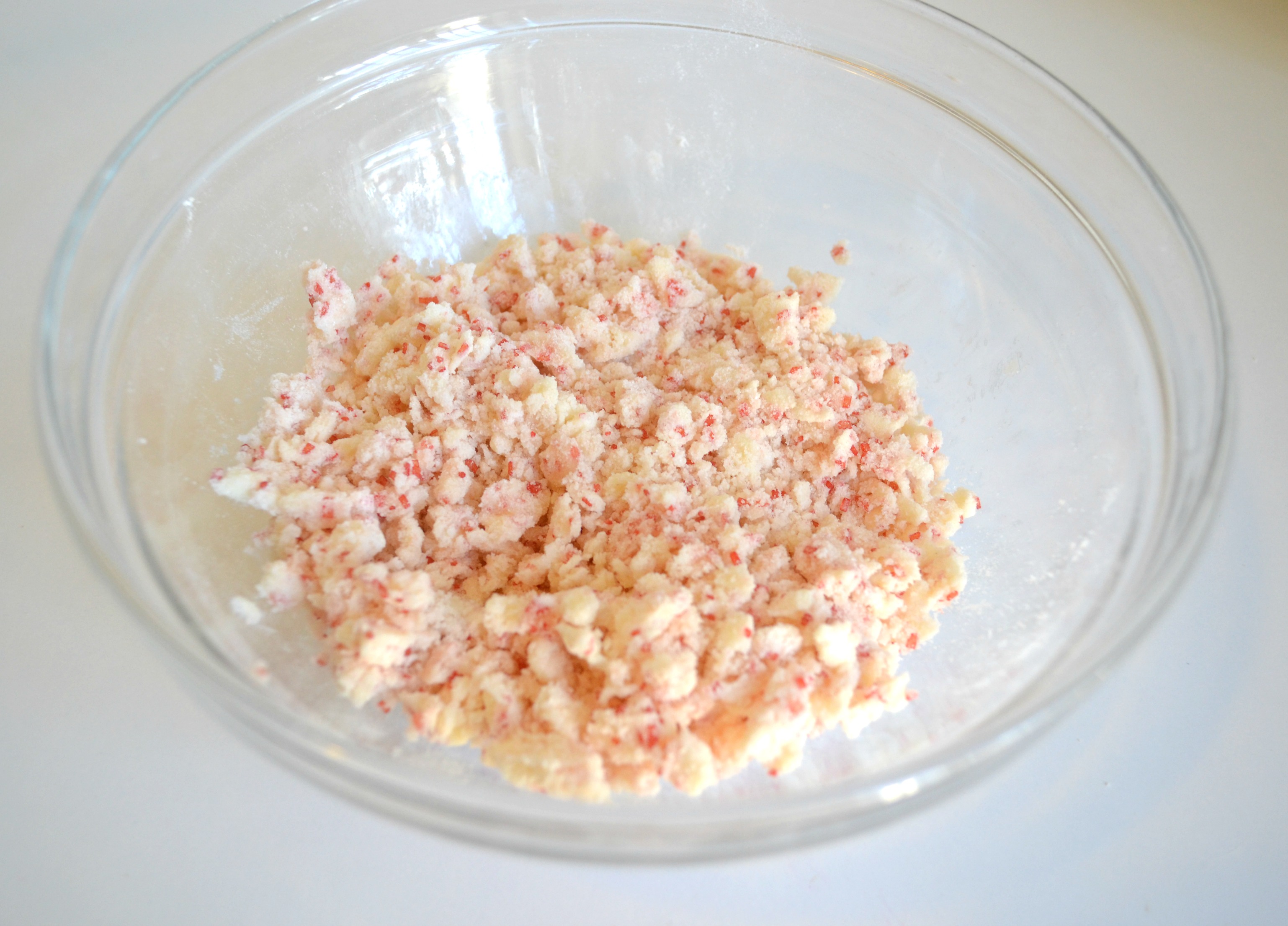
Prepare the topping:  Place the sugar, colored sugar (if using), and butter in a bowl. Use a pastry blender or fork to combine. (You can also do this with a food processor, but I did it by hand because it’s a small amount.)

DSC_0996DSC_1015

Use a spoon to sprinkle the topping over the dough in the muffin tins.DSC_1066

Bake for 20-25 minutes or until a toothpick comes out clean or with a few crumbs.

Allow to cool in the muffin tins for 5 minutes.  Remove the muffins from the tin and place on a cooling rack — or you can put them on a plate for serving.  They are best warm but can also be eaten at room temperature if you choose to prepare them ahead of time.

Lemonlicious Raspberry Muffins

  • Servings: Yields 18 muffins
  • Difficulty: Easy
  • Print

Ingredients:Lemon Raspberry Muffins

  • 2 1/3 cups flour (11.5 oz. )
  • 1/2 tsp. salt
  • 4 tsp. baking powder
  • 1/3 cup sugar (2.25 oz.)
  • 1/4 cup (2 oz.) softened butter
  • 1 egg
  • zest of lemon (1-2 teaspoons)
  • 1 cup milk
  • 1 1/2 cups fresh or frozen raspberries (not in sugar syrup)

Directions:

Preheat oven to 375°F (190°C).

Place flour, baking powder, and salt in a bowl and stir with a whisk. In separate bowl, cream butter with sugar until light and fluffy. Beat in egg and lemon zest (mixture may look a little lumpy or curdled).  

Make a well in the dry ingredients. Pour the sugar mixture and milk into the center. Using a spoon or spatula, begin to gently stir together. Before completely mixed, stir in the raspberries.* Be sure not to overmix.

Topping:

  • 1/3 c. flour (1.5 oz.)
  • 1/2 c. sugar (3.5 oz.) or (1/3 cup sugar plus 3 T. coarse red decorator sugar)
  • 1/4 c. (2 oz.) softened butter

Use a pastry blender or fork to blend together the above ingredients. The mixture should be slightly coarse. (This step can also be done in a food processor by pulsing the ingredients.) Set aside.

Use a cookie or ice cream scoop to place the dough into 18 well-greased muffin cups. (I use the special baking spray with flour for easiest release.) Spoon some topping over each muffin.

Bake in a 375°F (190°C) oven for 20 to 25 minutes or until a toothpick comes out clean.

Remove the pans from the oven and allow to cool for 5 minutes.  Move the muffins from the tin to a rack or directly to a plate for serving.

*Before mixing into the other ingredients, put raspberries in a bowl or bag with one to two tablespoons of flour. Toss to coat.  (This will keep the berries from turning the batter completely pink.) If you are using frozen berries, you can put the flour-coated berries back in the freezer for a little while until you are ready to mix them into the batter.

If you happen to have any left over, you can put them in the freezer to use for another breakfast or for a treat with coffee or tea.  Teapot

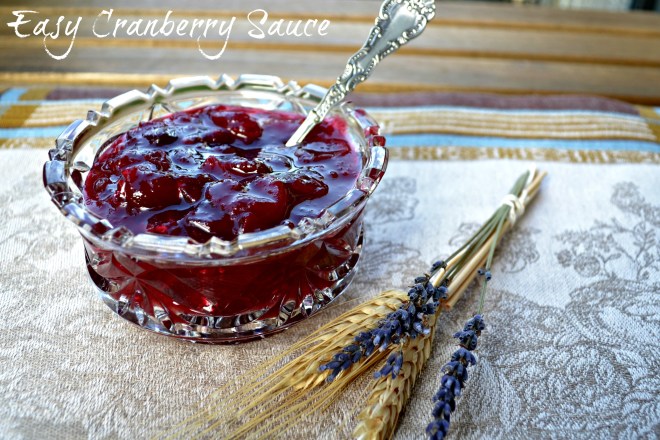
Easy Cranberry Sauce for the Holidays

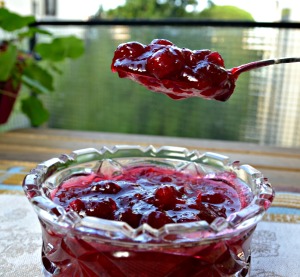
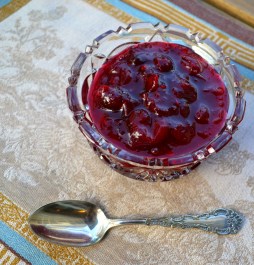
Holidays mean traditions, and for me, Thanksgiving would not be Thanksgiving without homemade cranberry sauce.  This year, that means that I had to make my cranberry sauce early so it would be ready to pack in my suitcase later in the week. I plan to take it on a plane with me to share with our dear friends in Germany.  Am I crazy?  Well, maybe a little bit, but after you make this super easy recipe, you may never go back to serving the canned stuff again.  I hope this sauce will become a tradition for your family too!

The sauce keeps well in the fridge for at least a week.  You’ll hope there will be some left over because I promise that a sandwich made with this sauce, some cream cheese, and leftover turkey is truly divine!

It is as easy as this:

Pour the water and sugar into a medium to large saucepan over medium high heat.

Bring the mixture to a rolling boil while stirring occasionally to make sure all of the sugar dissolves.

Cranberries


Carefully add the cranberries.  The skins will begin to pop almost immediately.

Turn the heat down a little so the mixture is at a low boil for 11-12 minutes. Stir the sauce intermittently, making sure the sauce does not boil over.

DSC_0635


Turn off the heat and allow the sauce to cool to room temperature.

The sauce continues to thicken as it cools.  Place the finished sauce in your refrigerator until you are ready to use it.  It will easily keep for over a week if stored in the in the fridge.

finished sauce

Easy Cranberry Sauce

  • Servings: Yields about 4 cups
  • Difficulty: Very Easy
  • Print

DSC_0671

Ingredients:

  • 1 1/2 cups water
  • 1 1/2 cups sugar (10.5 oz. by weight)
  • 4 cups fresh or frozen cranberries, picked through to remove any bad berries (about 1 lb. or 454 grams)

Directions:

  1. Put water and sugar in a medium to large sauce pan and bring to a rolling boil, stirring occasionally to make sure the sugar fully dissolves.
  2. Carefully add the cranberries, and reduce the heat to medium.  The skins will begin to break almost immediately.  Stir occasionally and continue to cook for 11-12 minutes*.  (It is important to watch the sauce to make sure it does not boil over.)
  3. Allow the sauce to cool on the stove until room temperature.  It will continue to thicken as it cools.

Store in the refrigerator for up to a week.

*Cook for an extra two minutes if the cranberries were frozen.

A Few Notes:

Cranberry sauce goes well with ham as well as turkey.  I make this sauce for Thanksgiving, Christmas, and Easter.  Freeze a few extra berries during the holidays so you can make this sauce during other times of the year.


Easy Applesauce in a Crock Pot or Slow Cooker

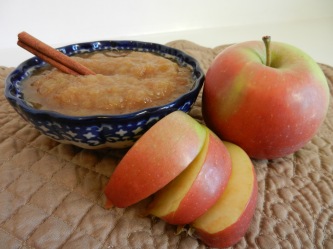
Since I grew up in the state of Washington, I cannot help but think of apples when I think of fall.  During my childhood, the change of weather from summer to cool and crisp days meant that apple treats would soon be on their way.  My siblings and I collected apples from the trees in our yard and brought them to my mother as a subtle suggestion. She received them warmly and made pies, apple crisp, and heavenly cinnamon apple sauce.

My mother always made her applesauce in a dutch oven on the stove, which I also did for many years.  This method required remembering to check on the apples intermittently over a long period of time in order to stir them and to make sure the liquid in the pot had not completely evaporated.

This year I decided to see if I could simplify the process by using my slow cooker instead. Needless to say, it turned out great!  I almost felt guilty about how easy it was. Here is what I did:

apple

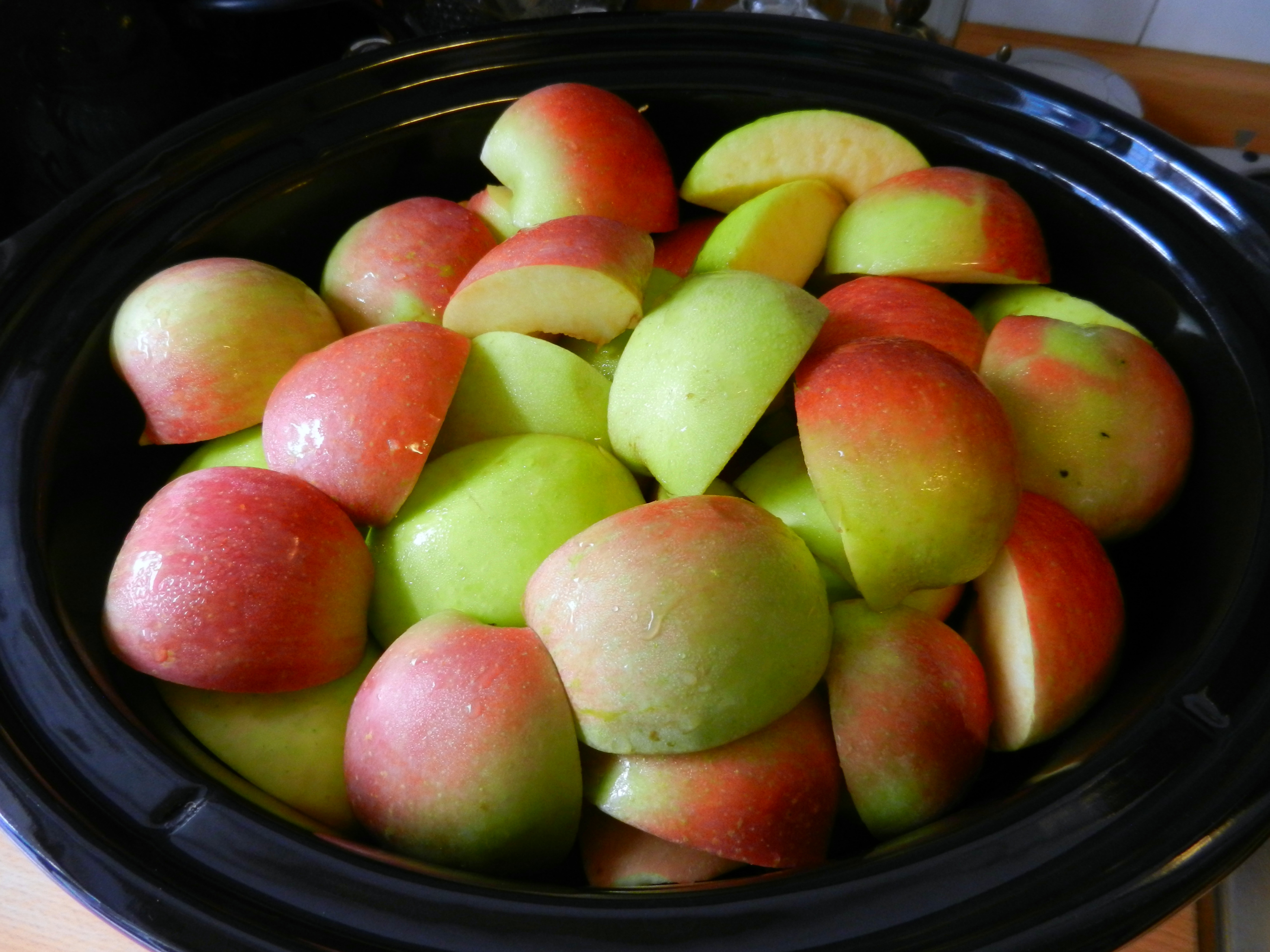
1.  Quarter and core apples (I use several varieties) and place in your crock pot.  The number of apples will vary depending on the capacity of your slow cooker.

2.  Add 3/4 cup of water, 1 tsp. lemon juice, and  3-4 cinnamon sticks to the apples.

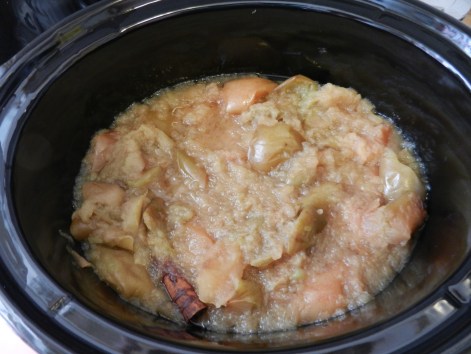
3.  Put on the lid and turn your slow cooker to HIGH for 4 1/2 to 5 hours.  Do your laundry, read some books to your kids, or take a nap.  When you wake up, your house will smell like fall, and your family and friends will think you spent all day in the kitchen.

DSCN6604

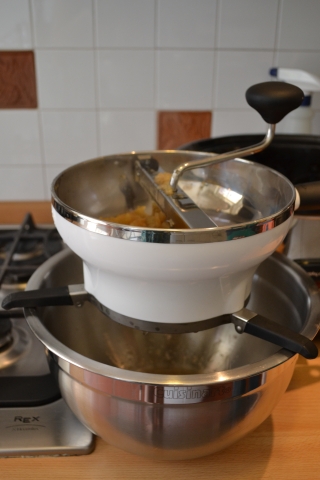
4.  Turn off the cooker, and gently spoon small portions of the cooked apple mixture into a food mill fitted with the fine disk and placed over a bowl.  Remove and discard the cinnamon sticks as you come across them.  Turn the crank, and the skins will separate from the sauce.  If the mill seems hard to turn, give it a few turns in the opposite direction before resuming.

masher

5.  Wait for the applesauce to cool before placing in freezer containers or your fridge. The sauce will keep up to a week in the refrigerator or for several months in the freezer.  I don’t add any sugar to my sauce, but you can add a little brown sugar at the end if you feel it is too tart.  The flavor and tartness can vary quite a bit, depending on the types of apples you use.

DSCN6605

A Few Notes:

If you like your applesauce to be very light in color, peel the apples before cooking them.  The skins impart some color to the sauce.  If you do not have a food mill, you can use a potato masher instead.  Just be sure to PEEL, quarter, and core the apples before cooking.  Then mash the cooked apples to the consistency you like.

Easy Applesauce in a Crock Pot

  • Difficulty: easy
  • Print

DSCN6606

Ingredients:  

  • Several pounds of apples (various types), cored and quartered
  • 3/4 c. water
  • 1 tsp. lemon juice
  • 3-4 cinnamon sticks

Add all ingredients to a slow cooker, cover, and turn to HIGH for 4 1/2 to 5 hours. When the apples have cooked down, turn off the cooker. Place a food mill which has been fitted with the fine disk over a bowl. Slowly spoon in the cooked apples and turn the crank to push the pulp into the bowl below. Remove and discard the cinnamon sticks as you come across them. Every once in a while, turn the crank in the opposite direction to scape the peels away from the disk.

Stir in a little brown sugar if you think the sauce is too tart. Allow to cool to room temperature. Place in the refrigerator for up to a week or store in containers in the freezer for several months.

Ligurian Pasta with Pesto, Tomatoes, and Potatoes

In honor of Columbus Day this week, I decided to post a recipe for a typical dish found in the region of Liguria. Whether you are a fan of Cristoforo Colombo (Christopher Columbus) or not, he is an important figure in Italian history. The Ligurian city of Genoa was his birthplace and the birthplace of pesto alla Genovese. Travellers consider Liguria to be the Italian Riviera. One can hardly resist visiting picturesque Portofino, the Cinque Terre (five pastel-washed towns perched high above the sea), and my personal favorite, Portovenere.

It was on a sailboat trip to Portovenere and the Cinque Terre that I learned how to make this recipe from our skipper, Daniella.  According to Daniella, this pasta dish is normally served with tomatoes in the summer and potatoes in the winter.  Since she likes both, she taught me how to make it with tomatoes AND potatoes. It might sound strange to put potatoes with pasta, but there are quite a few dishes in Italy with potatoes in the sauce.  My family loves it; just give it a try!

Ligurian Pasta with Tomatoes, Pesto, and Potatoes

  • Servings: 4
  • Difficulty: easy
  • Print

Ligurian Pasta

Ingredients:

  • 1 lb. (450 – 500 g.) fresh trofie or linguine pasta (12 – 14 oz. dry pasta can be substituted)
  • 1-2 medium potatoes
  • ½ cup pesto (see recipe below or you could use prepared pesto – but remember, “fresh is best”)
  • 2 cups cherry or grape tomatoes, sliced in half
  • 1/2 cup reserved pasta water
  • Salt and pepper to taste
  • Freshly-grated Parmesan for serving

Directions:

Bring a large pot of water to boil over high heat.  Add about 2 teaspoons of salt per quart of water. (Unsalted pasta water makes the pasta bland. — (Don’t worry, you won’t ingest all of that salt!) Peel the potato.  Slice in half lengthwise, then slice those pieces again lengthwise (see picture below). Cut small quarter-inch thick slices of the potato and add to the water that is coming to a boil.*  Slice the 2 cups of tomatoes in half and set aside.  When the water boils, add the pasta and cook until al dente.  Package instructions for pasta usually tell you to cook the pasta for longer than it needs, so keep checking it. When ready, reserve about 1/2 cup of the pasta water and then drain off the rest. Immediately put the noodles and potatoes in a warmed bowl.  Add the 1/2 cup of pesto and then some pasta water a little at a time to make the pesto mix in more easily.  (You probably won’t need all the extra pasta water.) Add the fresh tomatoes and fold in.  Add salt and pepper to taste. Grate a little Parmesan over each serving at the table. Enjoy!

*If you use dry pasta, add the potato along with the pasta after the water reaches a boil.  Dry pasta takes longer to cook than fresh pasta.

It’s as easy as this:

Pesto alla Genovese

  • Servings: yields 3/4 - 1 cup
  • Difficulty: easy
  • Print

Pesto alla Genovese

Ingredients:

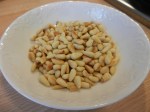
  • 1/4 cup pine nuts
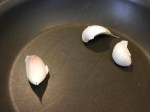
  • 2-3 garlic cloves (NOT peeled)
  • 2 cups basil leaves (washed and dried — salad spinner works well for this)
  • 1/4 – 1/2 tsp. sea salt (Pecorino is saltier than Parmesan so amount will vary with cheese used.)
  • 1/2 cup olive oil (Ligurian is best for this recipe, but at least use a good quality olive oil.)
  • 3/4 cup freshly grated Parmesan cheese
  • 1/4 cup freshly grated Pecorino Romano cheese (regular Parmesan can be substituted)

Directions:

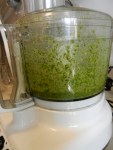
In a small skillet, toast the pine nuts on medium heat until slightly brown and fragrant. Set aside to cool.  While the pan is still warm, toast the garlic cloves (still in their skin) in the same skillet.* Allow to roast on the heat for about 6-8 minutes, turning occasionally. Garlic is done when it is fragrant and just slightly soft. Once the garlic is cool enough to handle, peel off the skin.  In the bowl of a food processor, put the basil leaves, cooled pine nuts, cooled garlic cloves, and salt.  While the machine is running, add the olive oil in a steady stream. Stop to scrape down the sides of the bowl and pulse again to be sure everything is combined. Remove the puree to another bowl and stir in the Parmesan and Pecorino. Cover the surface of the pesto with plastic wrap to prevent discoloration and place in the refrigerator until ready to use.**

Try pesto on sandwiches or pasta.  It works well as an appetizer when spread on toasted bread and topped with a slice of tomato.

*I cook the garlic a little just to mellow the flavor.  If you don’t have the time, you can just peel it and add it to the food processor without cooking it at all.

**Pesto may be frozen in small portions for several months or kept in the refrigerator for a few days.

It’s as easy as this: