


Welcome spring! Since today is officially the first day of spring, I thought I would post a recipe with flavors that take me back to the springs of my childhood. You see, one of my great grandparents was Scotch and another was an immigrant from Germany. I therefore grew up eating rhubarb from the moment it was ready to harvest each spring. I remember walking through the damp green grass in my rubber boots while holding the hand of my grandmother on the way to the big rhubarb plants on the far side of her yard. My grandmother would then reach down with a big kitchen knife and slice off a few stalks for me to carry back to the kitchen. I would then don an apron and stand with her in the kitchen while she turned our little harvest into rhubarb sauce or rhubarb custard pie.
After living overseas with other people from around the world, I realized that some people have never heard of rhubarb, let alone ever eaten it. While living in Belarus, I noticed it grew wild along the road, but few people knew how to prepare it. It is understandable that many people from warm climates have never seen it in the market because rhubarb prefers cool climates — like Scotland, Germany, and the Pacific Northwest where I grew up.
Technically, rhubarb is a vegetable, but it is most often prepared in a way that would be traditionally used for fruit. That is simply because it is very tart and requires sugar to be palatable. In my family, the most popular dessert with rhubarb was rhubarb custard pie, but sometimes in Italy, I’m not fortunate to find enough rhubarb to make a pie. This was the case recently, when I only had two cups instead of the three necessary for my grandmother’s recipe for rhubarb custard pie. So, what did I do? I decided to make a clafoutis instead. No, I had never tried it with rhubarb, but why not? The main ingredients for clafoutis are very similar to rhubarb custard pie — eggs, sugar, cream and or milk, and fruit. For this preparation, rhubarb takes the place of traditional cherries in this French country dessert. Strictly speaking, if it is not made with cherries, a clafoutis becomes a flaugnarde when you substitute another fruit, but I’ll stick with the name clafoutis for my recipe just because it is more recognizable in English-speaking circles.
Well, I’m happy to say that it turned out well. Plus, I think many of you will like this recipe since it is gluten free (cornstarch is the thickener), and it takes much less time than a pie since there is no crust. If a pie scares you, this is a good place to start, and friends and family can’t help but be impressed when you make them a dessert with a french name! —
“What did you make for dessert?”
“Oh, I just made a rhubarb clafoutis.”
It’s as easy as this:
Preheat your oven to 350°F (about 180°C). Butter a 9-inch pie pan and set aside.
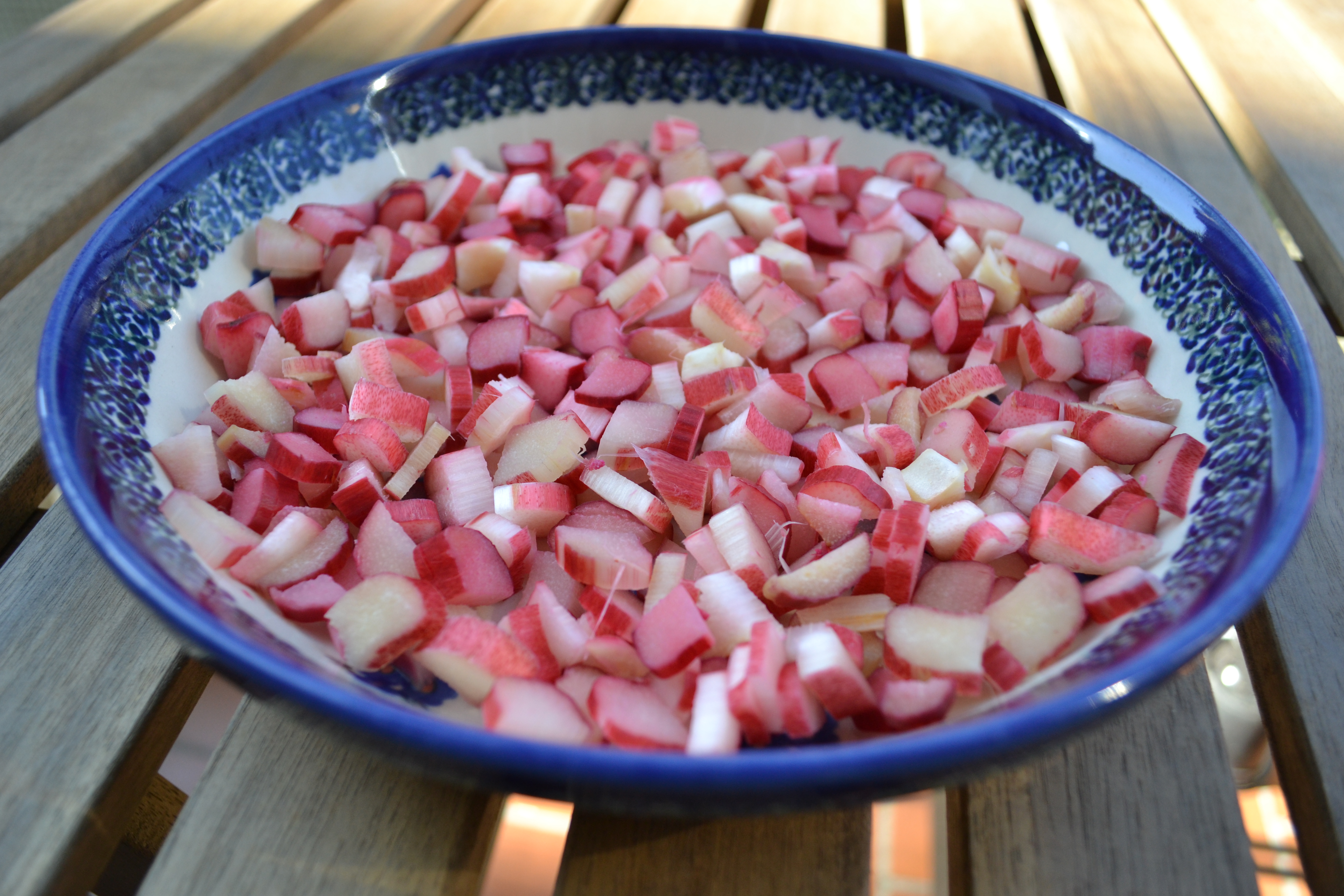
Wash the rhubarb to be sure it is clean. Pat it dry with a paper towel to make sure there is no residual moisture on the stalks. Now chop off the ends, making sure there is absolutely no part of the leaves left. (The leaves are poisonous.) Slice each stalk in half horizontally, just so it is easier to manage. Now slice it again once or twice vertically before finishing the chopping process. In the end, you want to have pieces that are about 1/4 inch thick. Chop enough so you have about two cups. Place the chopped rhubarb in the bottom of the prepared pie dish.
In a medium bowl, whisk together salt, cornstarch, and sugar. You then whisk in some eggs, egg yolks, cream, and vanilla. Pour this mixture over the rhubarb waiting in your prepared pie plate.

Place it in the oven for about 30-40 minutes. The clafoutis is done when the center no longer seems “liquidy”. It should seem firm, but may move slightly like thick jello. It continues to cook just a bit once you remove it from the oven, so keep an eye on it so it doesn’t overcook.

Set the pie plate on a rack to cool. Serve slightly warm dusted with powdered sugar. If you feel really decadent, you can put a little crème fraîche, cream, or vanilla ice cream on the plate.
Rhubarb Clafoutis

Ingredients:
- 2 cups chopped rhubarb
- 1/8 tsp. salt
- 2 tablespoons plus 1 teaspoon cornstarch
- 1/3 cup sugar (2.3 oz.)
- 1 1/4 cups (10 oz.) heavy cream
- 2 eggs, room temperature
- 2 egg yolks, room temperature
- 2 teaspoons vanilla extract
- powdered sugar for dusting
Directions:
Preheat oven to 350°F (about 180°C). Butter a 9-inch pie dish and set aside.
Chop the rhubarb and place in the prepared pie pan.
Whisk together the salt, cornstarch, and sugar in a medium bowl. Whisk in the heavy cream, eggs, egg yolks, and vanilla. Continue to stir until thoroughly combined and smooth. Pour this mixture over the rhubarb in the prepared pie dish.
Place on the middle rack of the oven and bake for 30-40 minutes. The custard should be mostly firm and a toothpick should come out clean. Keep in mind that the custard will continue to bake and set a bit even after it is removed from the oven, so be careful not to over-bake it.
Allow the clafoutis to cool for 10-15 minutes before serving. Dust with powdered sugar just before plating the slices. Serve with a little crème fraîche or vanilla ice cream for an extra special treat!
Welcome spring!




 It’s as easy as this: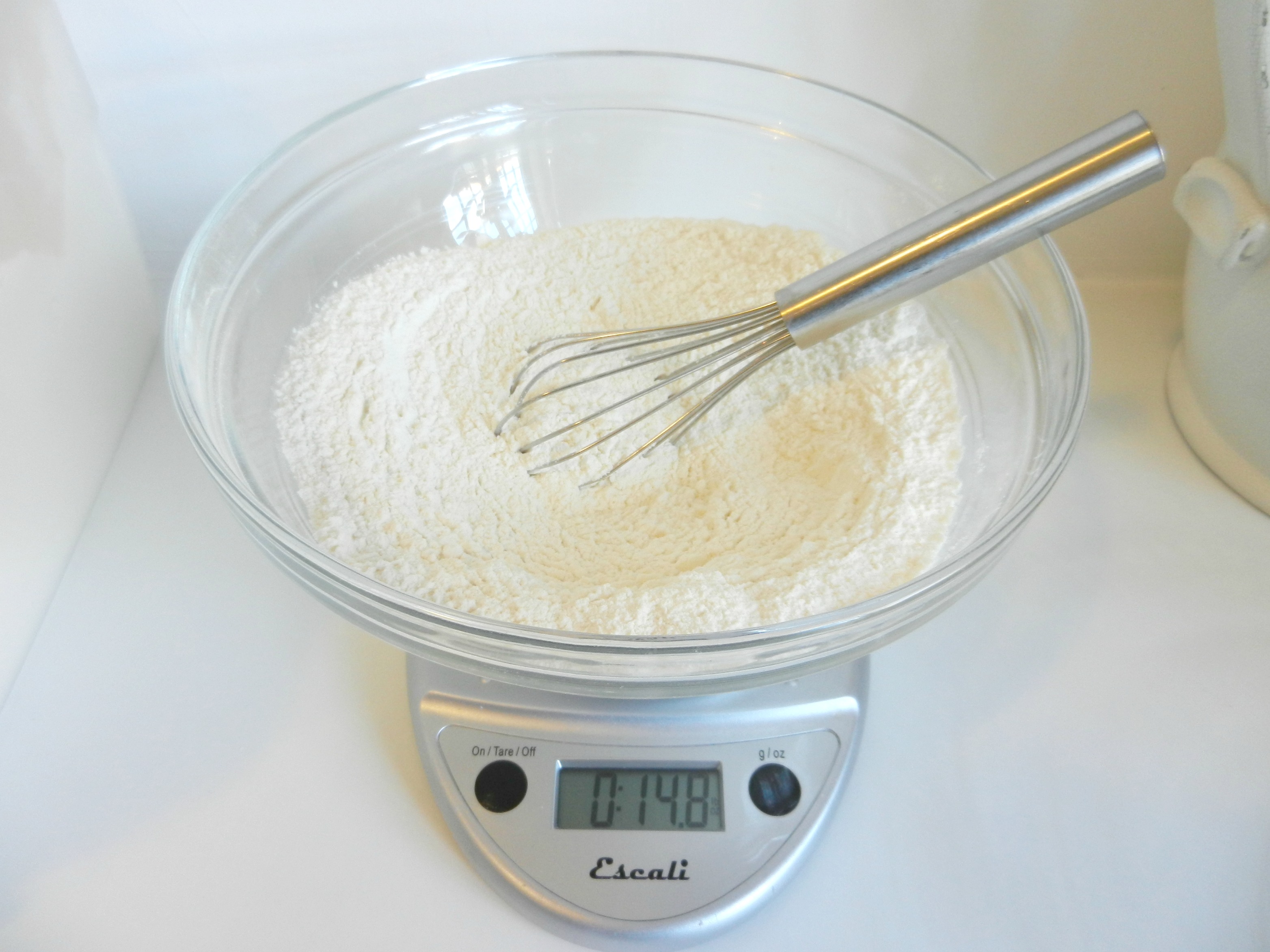




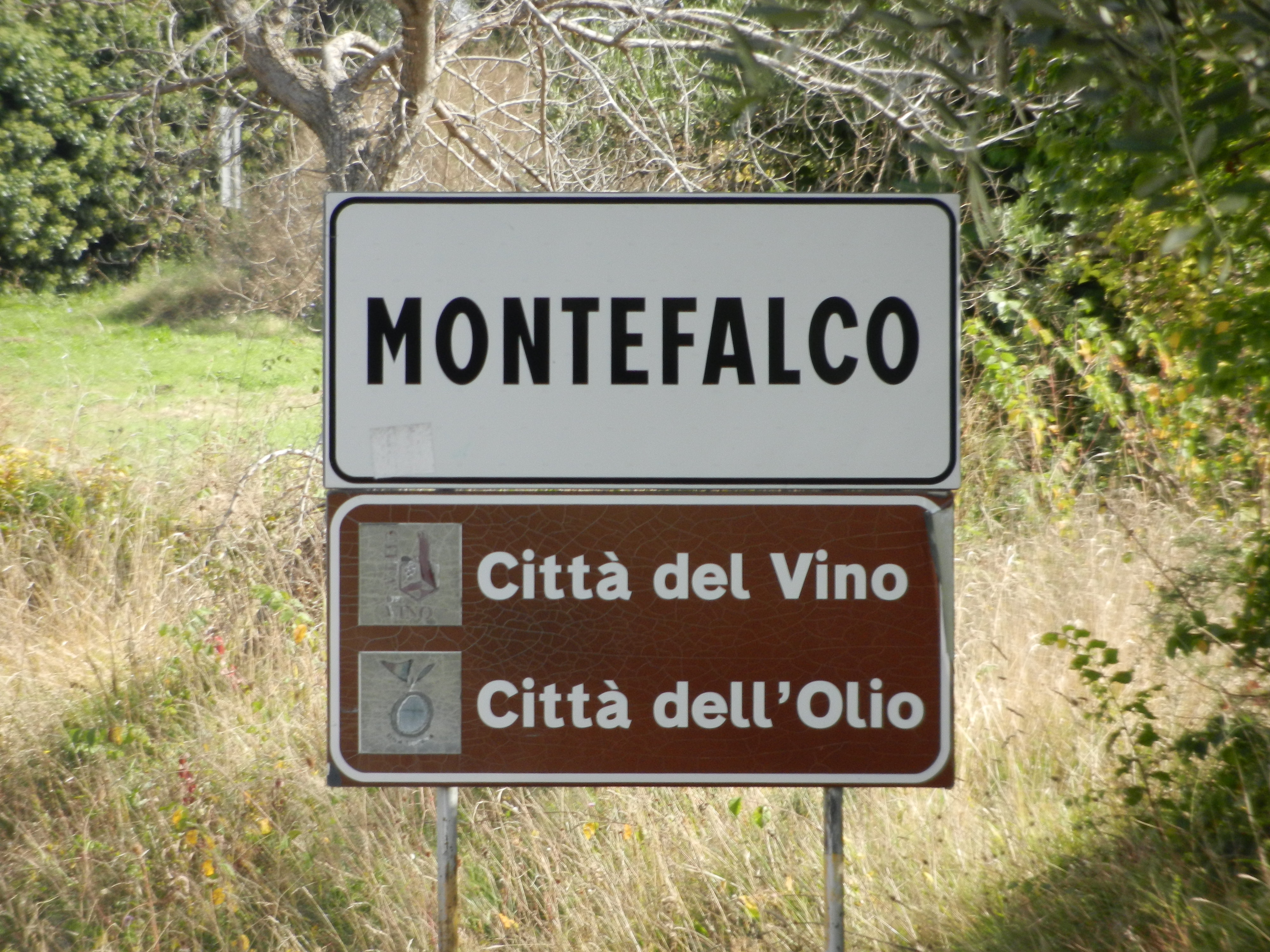
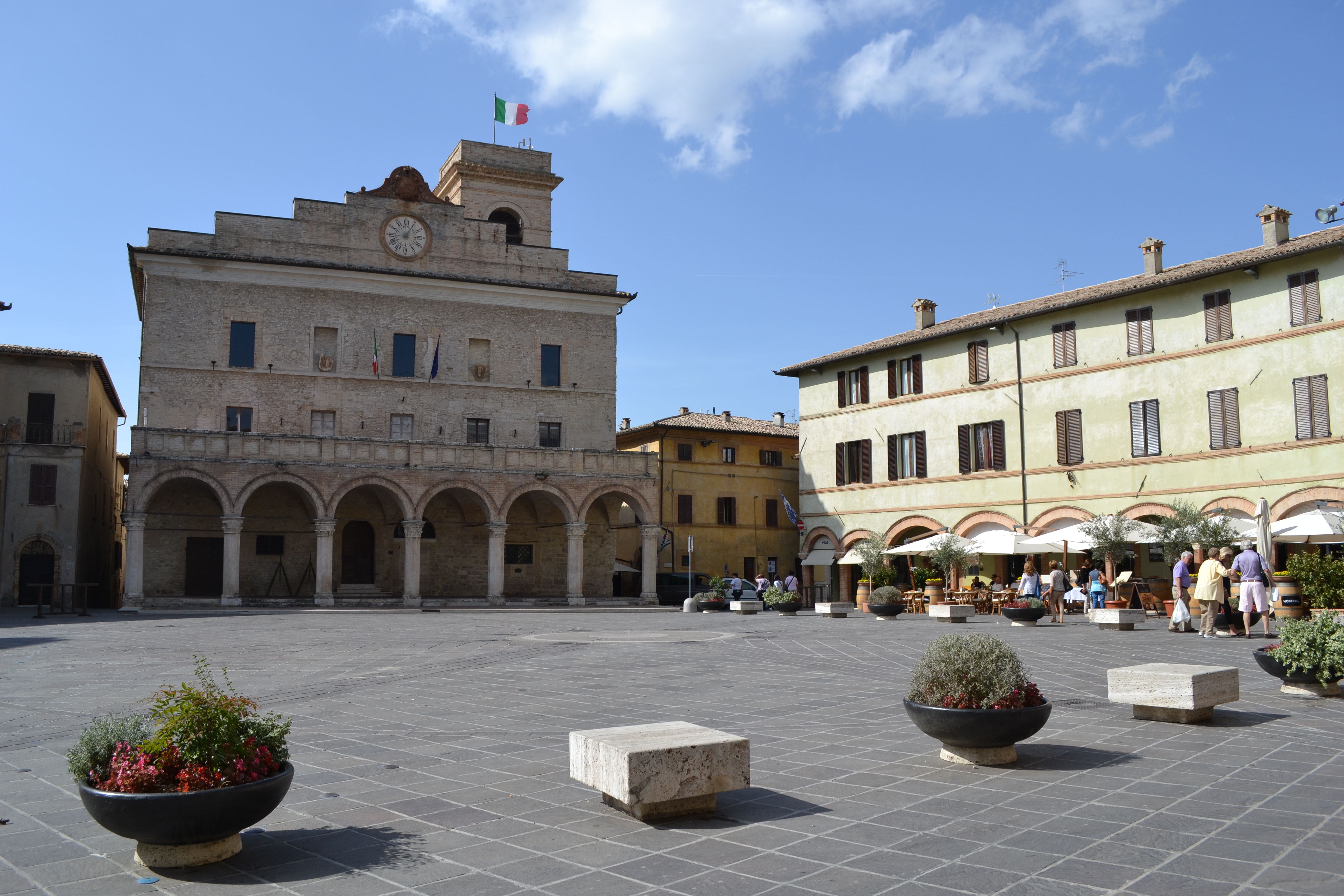
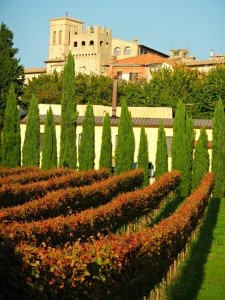 Sagrantino wines tend to be a bit robust which makes them complement the local cuisine of Umbria very well from Chianina beef to portobello mushrooms and black truffles. Sagrantino Passito is also produced in the hills of Montefalco and is a dessert wine similar to ice wine, but with a process more conducive to the climate of Italy. My family witnessed the complex undertaking of making this wine during our visit. They harvest the grapes and then put them on racks to partially dry to allow the sugar content to rise. Before they become too dry to release their sweet nectar, they are made into this wonderfully full-bodied dessert wine. This is not to be missed if you get the opportunity to try a glass for or with dessert. In fact, if you really like wine from Montefalco, you may indeed have to visit, because very little of the wine ever makes it out of Italy. With under 30 producers in the area, Montefalco wines are mostly consumed in the region. Surprisingly, I even find it difficult to find my favorite labels of Montefalco wines in Rome, and I came up comepletely empty after a hunt for Montefalco Rosso under any label during a recent trip to the U.S.
















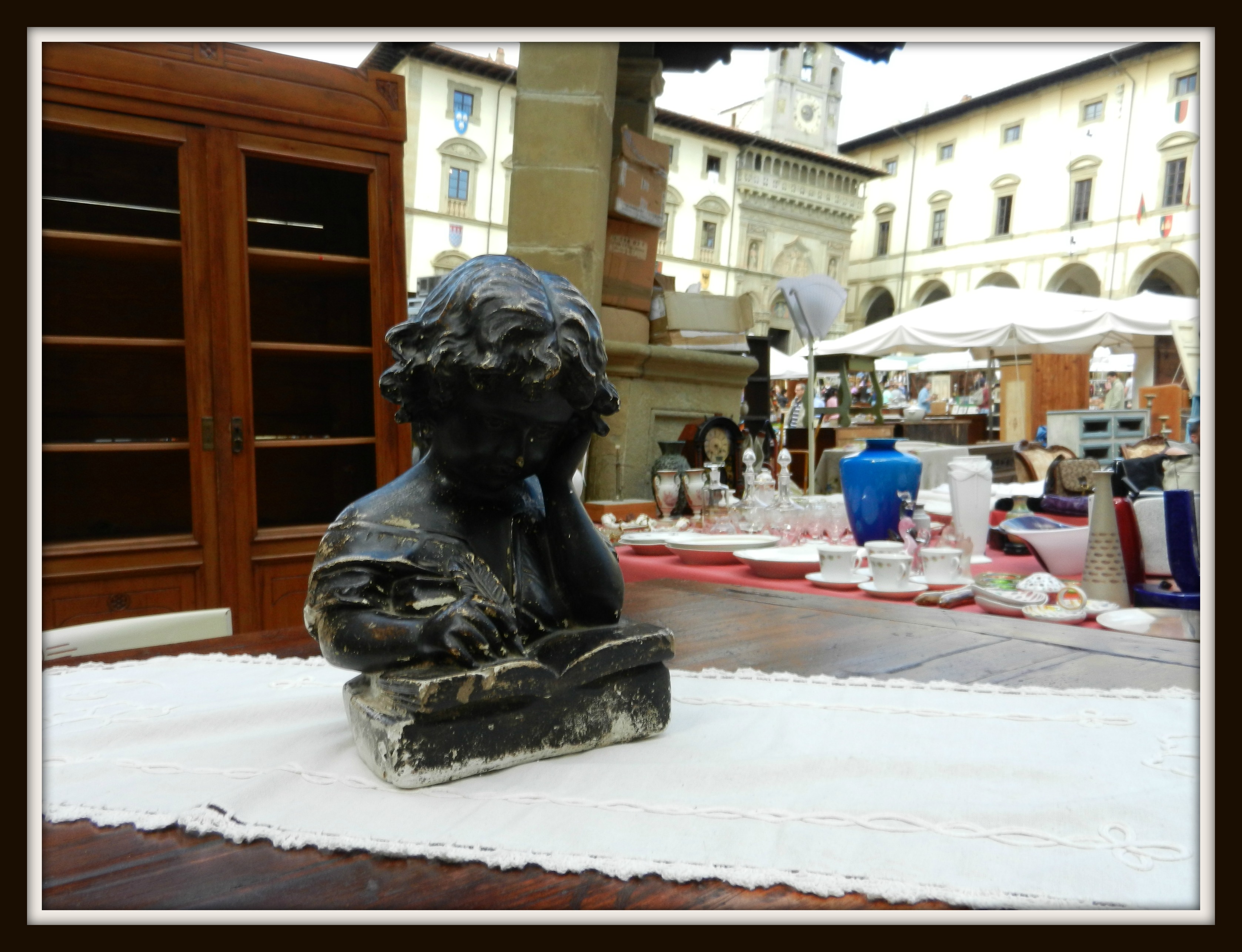
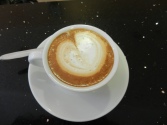 drive because of the cooler temperatures but abundant sun. Over the weekend, I decided to enjoy the season and make a visit to this special market. The trip from Rome took about two driving hours. My husband and I knew when we were close because steady streams of people were headed in the direction marked “Centro.” We set off in the same direction, making the typical stop for a cappuccino and cornetto, and then continued on our quest. Once we reached Corso Italia, a sea of tents and tables wound their way up the cobbled streets to Piazza Grande, the center of the market. From the main piazza, stalls spiraled out through the Renaissance passageways, making the hunt for treasure all the more fun.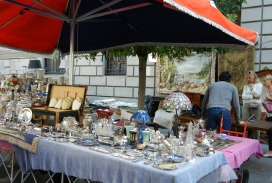





 Joy Van Eaton
 Home Was Not Built in a Day